
This course helps students learn about the periodic table, atomic structure, and chemical bonding. It introduces important biomolecules such as carbohydrates, amino acids, proteins, and vitamins. Students will learn how to identify elements in organic compounds and calculate chemical formulae. The course also covers polymers, plastics, rubbers, and their uses in daily life. Overall, the course will help students connect chemistry concepts with biological, industrial, and practical applications.
- Teacher: Dr. Ahymah Joshy Chemistry
- Teacher: Dr. R. Betsy Clarebel Chemistry
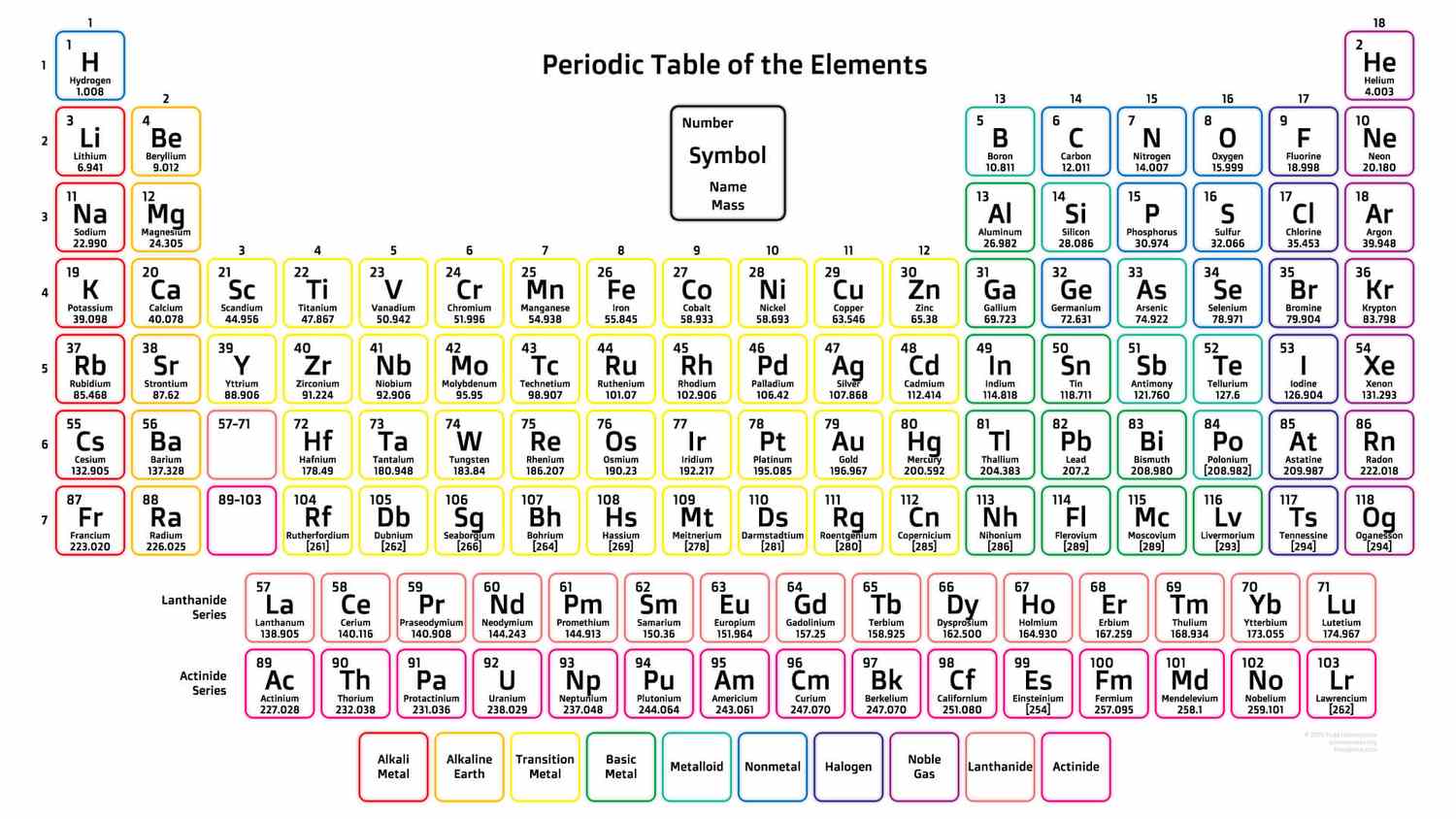
This course introduces the periodic classification of elements, atomic structure, and chemical bonding. It covers the structure and significance of biomolecules, methods for determining empirical and molecular formulae, and the fundamentals of polymer chemistry with emphasis on its applications in science and industry.
- Teacher: S. Pooranalakshmi Chemistry
- Teacher: sineha chemistry
- Teacher: Arockiajency Physics
- Teacher: sherin Zoo
- Teacher: Dr. Ahymah Joshy Chemistry
- Teacher: Dr. Sr. T. Johny Dathees Chemistry
- Teacher: Arockiajency Physics
- Teacher: sherin Zoo
This course introduces the fundamentals of atomic structure, including atomic models and the wave–particle duality of matter. It explains the organization of the periodic table, periodic trends, and their role in determining the physical and chemical properties of elements. The course also covers the classification of organic compounds based on their structural characteristics. Students will learn the principles of IUPAC nomenclature for the systematic naming of organic compounds.
- Teacher: Dr. M. Kalanithi Chemistry
- Teacher: Dr.A.C.Cini Roach Chemistry
- Teacher: VimalJoice Chemistry
- Teacher: Arockiajency Physics
- Teacher: sherin Zoo