

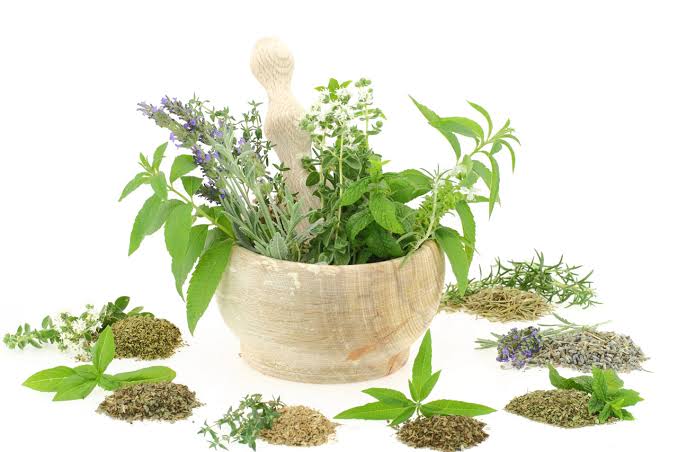
This course introduces the fundamentals and scope of cosmetics, including skin care ingredients, face care products, and body care formulations. It covers the principles of herbal skincare, natural cosmetic ingredients, and preparation techniques, enabling students to understand and develop herbal cosmetic products.
- Teacher: Dr. Ahymah Joshy Chemistry
- Teacher: Ms. Maria Esther Chemistry
- Teacher: Arockiajency Physics
- Teacher: sherin Zoo
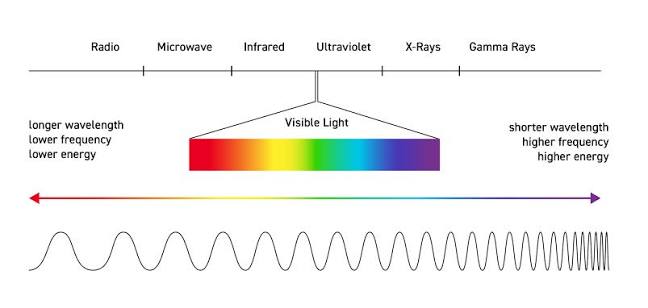
This course introduces the principles of molecular spectroscopy, including rotational, vibrational, Raman, electronic, NMR, ESR, and Mössbauer spectroscopy. It emphasizes the interpretation of spectral data, NMR splitting and chemical shifts, and the applications of the Franck–Condon principle and fluorescence quenching in molecular analysis.
- Teacher: Dr. M. Kalanithi Chemistry
- Teacher: VimalJoice Chemistry
- Teacher: Arockiajency Physics
- Teacher: sherin Zoo
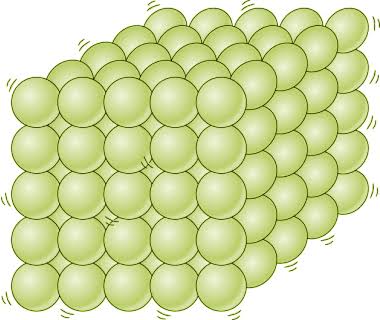
This course covers the chemistry of transition and inner transition elements, ionic and metallic bonding, molecular bonding theories, and the magnetic properties of coordination compounds. It also introduces the structure of solids and the fundamentals of nuclear chemistry, including nuclear reactions, reactors, and applications of isotopes.
- Teacher: Dr.Sr.S.Sahaya Leenus Chemistry
- Teacher: S. Pooranalakshmi Chemistry
- Teacher: Arockiajency Physics
- Teacher: sherin Zoo
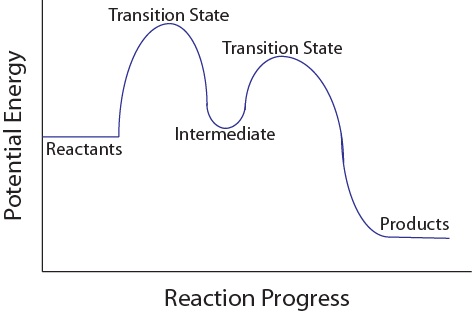
This course introduces reaction intermediates, factors influencing organic reaction mechanisms, and linear free energy relationships. It covers aromaticity, electrophilic substitution reactions, the role of organic reagents, and important rearrangement reactions, providing a strong foundation in organic synthesis and reaction mechanisms.
- Teacher: Dr. R. Betsy Clarebel Chemistry
- Teacher: Dr. Sr. T. Johny Dathees Chemistry
- Teacher: Arockiajency Physics
- Teacher: sherin Zoo